How to Start Cold Plunging: A Beginner's Guide
Written by Matt W on 11th Jun 2026.
In short: Start cold plunging at 12–15°C for 1–2 minutes, two or three times a week, and build slowly over four weeks. The research points to around 11 minutes of total cold exposure a week, so short, regular dips beat heroics. A £299 portable tub is enough to start; never plunge alone in your first week.
Key takeaways
- ✓Begin at 12–15°C for 60–120 seconds — cold enough to work, calm enough to learn.
- ✓Build to 2–3 minutes at 5–8°C over four weeks. There is no prize for colder.
- ✓Around 11 minutes of cold a week is plenty for most of the benefits.
- ✓Slow nasal breathing through the first 30 seconds is the whole skill.
- ✓You can start with a £299 tub and bagged ice. Upgrade to a chiller if the habit sticks.
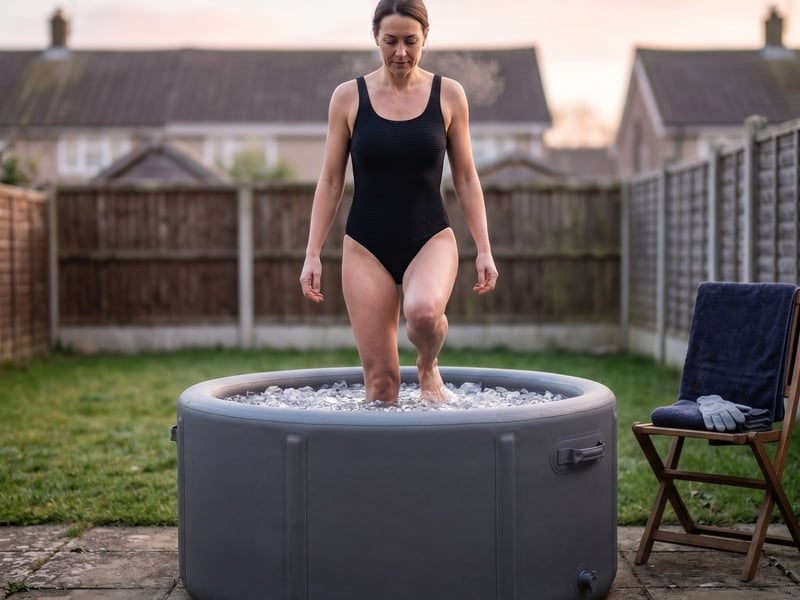
Your first ice bath should be boring. Not freezing, not filmed, not a dare — just 60 seconds in cold water, breathing slowly. That is the whole job. We have walked hundreds of UK customers through their first month since we started selling cold-water kit, and the ones who stick with it all start the same way: warmer and shorter than they expected.
What temperature should a beginner start at?
Start at 12–15°C — brisk enough to trigger the cold response, manageable enough to stay calm. UK tap water sits at 8–12°C from October to March, so in winter you may need no ice at all. We measured our yard tap at 8.4°C in January and 17°C in late July. In summer, two or three bags of supermarket ice will pull a tub into range. Below about 10°C the extra benefit is small while the shock gets much bigger, which is exactly what a beginner does not need.
How long should your first session last?
Sixty seconds is a proper first plunge. The cold-shock response — the gasp, the racing heart — peaks in the first 30 seconds and then settles. Get past that point calmly, stay another half minute, and get out feeling in control. Add time across the weeks rather than within one sitting. By week four, 2–3 minutes is plenty; past three minutes you gain very little except shivering.
The gentle four-week routine
This is the plan we give customers who call us before their first dip. It is deliberately unheroic.
| Week | Temperature | Time | Sessions |
|---|---|---|---|
| 1 | 15°C | 1 minute | 2 |
| 2 | 12–13°C | 90 seconds | 3 |
| 3 | 8–10°C | 2 minutes | 3 |
| 4 | 5–8°C | 2–3 minutes | 3–4 |
If 12°C still feels plenty cold in week four, stay at 12°C. The win is consistency, not the number. Our guide on how cold an ice bath should be explains why colder is not better, and the 30-day cold plunge challenge turns this routine into a daily plan when you are ready.
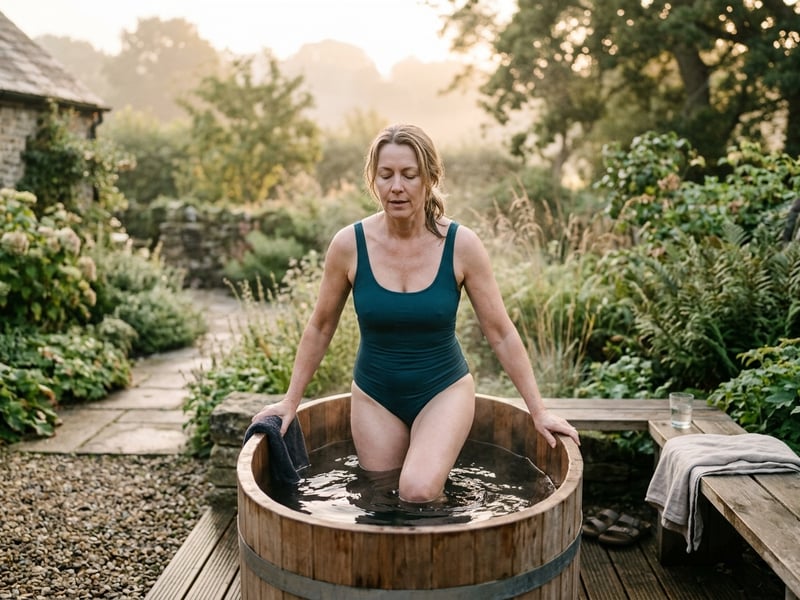
How do you breathe through the cold shock?
Exhale slowly as you get in, then breathe out for longer than you breathe in. A four-second inhale through the nose and a six-second exhale works for almost everyone. Do not psych yourself up with big huffing breaths on the side — that winds the nervous system up when you want it calming down. Lower yourself in steadily, hands out of the water at first if it helps, and keep your face relaxed. When the first 30 seconds pass and your breathing is still slow, you have done it right.
What kit do you actually need to start?
A tub, a thermometer and a towel — about £320 all in. We tell first-timers not to spend more until the habit survives a month. A portable drop-stitch tub sets up in five minutes and packs away if you stop. A £19 floating thermometer matters more than people think: "cold" is not a number, and the routine only builds when sessions are repeatable. Wheelie-bin conversions and paddling pools work, but they are hard to clean and harder to get in and out of safely.
Matt's Tip: Skip The Wim Hof Playlist
Do your first three dips in silence, in daylight, with someone home. Every beginner who rang us after a bad first experience had stacked the deck — coldest water, longest hold, big audience. Make dip one so easy it is almost disappointing. You are training a habit, not auditioning.
Staying safe in your first month
Cold water is a real stressor, which is the point — and why it deserves respect. Never plunge alone in your first weeks. Get out the moment you feel light-headed, and get out before hard shivering starts, not after. Warm up afterwards by moving and dressing, not by jumping straight into a hot shower; the rapid rewarm can make you feel faint. If you are pregnant, have a heart condition, high blood pressure or any medical concern, talk to your GP before you start. This is the one section to read twice.
The three beginner mistakes we hear most
We take calls from new plungers every week at Cold Plunge Store, and the same three mistakes come up. First: starting too cold, hating it, and quitting by day three. Second: judging the temperature by feel — last February a customer was sure his tub "felt about five degrees"; his new thermometer read 11.5°C. Third: treating ice runs as part of the ritual until the faff kills the habit around week three. The fix for all three is the same — measure the water, start warm, and make the routine easy enough to repeat on a dull Tuesday.
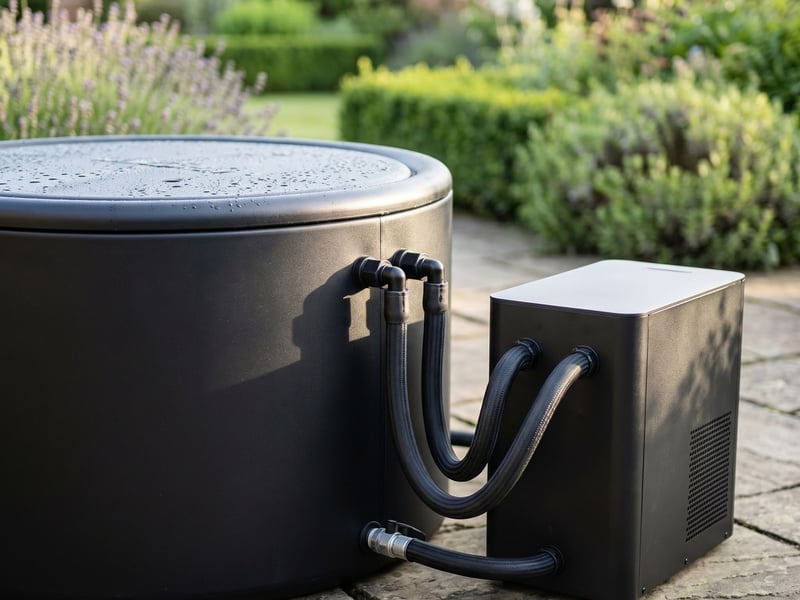
When should you upgrade to a chiller?
When you are plunging three or more times a week and the ice runs are the thing you dread. A chiller holds the water at your set temperature around the clock, which is what turns plunging from a project into a habit. Our chiller vs ice comparison covers the decision in pounds and pence, and the running-cost calculator shows your own numbers. Until then, ice works fine.
Matt's Pick for First-Time Plungers
Best For: Testing the habit without committing — sets up in five minutes, packs away if you stop.
Why I Recommend It: It is the tub I point every beginner at. Rigid drop-stitch walls, easy to step into, and chiller-ready, so nothing is wasted if you get hooked.
Price: £299
Frequently asked questions
What temperature should a beginner ice bath be?
Start around 12–15°C. It is cold enough to trigger the response while you learn the breathing. Drop a degree or two each week only as it gets comfortable.
How long should a beginner stay in an ice bath?
One minute is a proper first session. Build to 2–3 minutes over four weeks, and always get out before hard shivering starts.
How often should a beginner cold plunge?
Two or three times a week is plenty at first. The research points to around 11 minutes of cold a week in total, however you split it.
Can I start cold plunging in winter?
Yes — winter is the cheapest time to start. UK tap water sits at 8–12°C from October to March, so you may not need ice at all.
Do I need a chiller to start?
No. Start with a tub and bagged ice. A chiller earns its keep once you plunge three or more times a week.
Is it normal to gasp when I get in?
Yes — that is the cold-shock response and it peaks within 30 seconds. Exhale slowly as you enter and it passes; it also gets noticeably weaker within a week or two.