Ice Bath Benefits: What the Evidence Actually Says
Written by Matt W on 11th Jun 2026.
In short: The best-supported ice bath benefits are faster recovery from hard exercise, less muscle soreness, and a clear lift in mood and alertness afterwards. Many regular plungers also report better sleep. Fat-loss and immunity claims are weaker and often overstated. Short dips at 8–15°C are safe for most healthy adults; check with a GP if you have a heart condition or are pregnant.
Key takeaways
- ✓Strong evidence: faster exercise recovery and reduced next-day soreness.
- ✓Consistent real-world reports: better mood, focus and sleep.
- ✓Overstated: fat burning and "immune boosting" — small effects at best.
- ✓The mood lift is what most people notice first, often within a week.
- ✓One caveat: avoid plunging straight after heavy lifting if muscle growth is the goal.
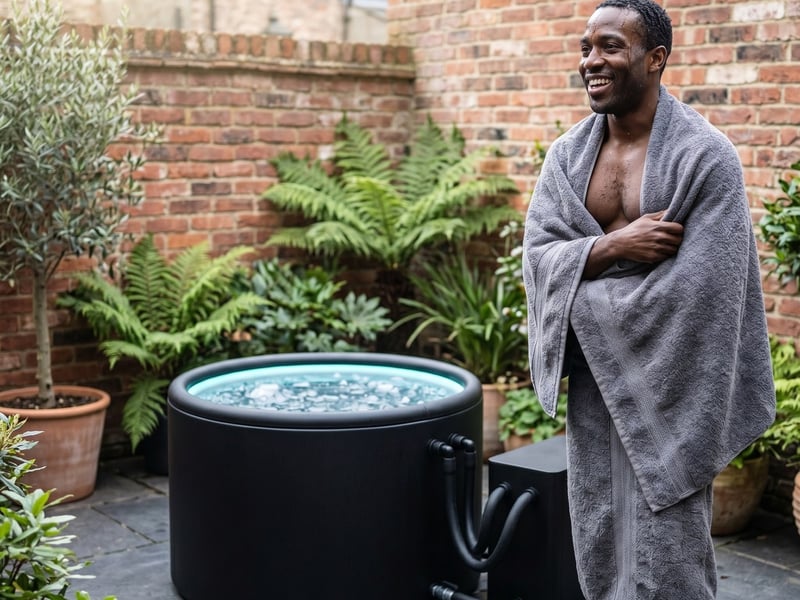
Cold plunging is everywhere, and so are the claims. Some hold up well. Others are wishful thinking with a discount code attached. We sell ice baths for a living, so you might expect us to repeat the hype — we would rather you bought one for the benefits that are real. Here is the honest run-through, sorted by how solid the evidence actually is.
What are the proven benefits of ice baths?
The strongest case is recovery: cold immersion after hard exercise reduces the muscle soreness that arrives a day or two later. Reviews of cold-water immersion studies consistently find less delayed-onset soreness and a quicker return to feeling fresh, which is why changing rooms in elite rugby and football have had ice baths for decades. The standard dose in those studies is modest — a few minutes at 8–15°C, not the ten-minute heroics you see online. If recovery is your goal, our guide to ice baths for athletes and runners covers the timing in detail.
Why do ice baths make you feel so good afterwards?
Cold water triggers a large release of noradrenaline, and the after-effect is hours of feeling alert and oddly cheerful. One frequently cited study measured a two- to three-fold rise in plasma noradrenaline from cold immersion. Whatever the mechanism, this is the benefit our customers mention most. When we follow up a few weeks after delivery, the message is rarely about recovery — it is some version of "the mornings feel different". The formal mental-health research is still young, but the consistency of those reports is hard to ignore.
Do ice baths help you sleep?
Many regular plungers sleep better, though the evidence here is thinner than for recovery. Part of it is likely the routine itself: a hard stop, ten quiet minutes outdoors, no phone. Several customers who plunge after late shifts tell us it is the only thing that switches them off. Treat better sleep as a welcome side effect rather than the reason to buy.
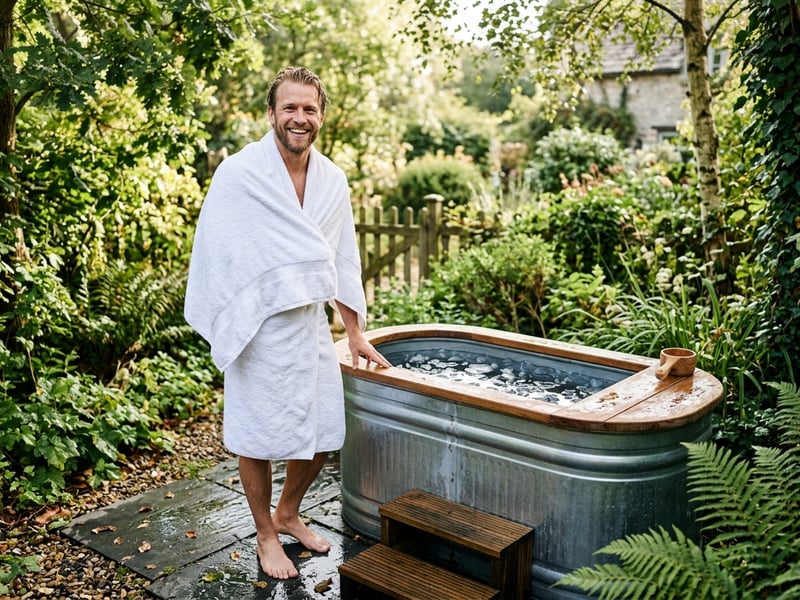
Which ice bath claims are overstated?
The fat-loss and immunity claims do not survive contact with the numbers. Cold does make your body burn a little extra energy rewarming, but the effect is far too small to change your shape. The "immune boost" evidence is mixed and mostly indirect. Here is our honest scorecard:
| Claim | Verdict | Our reading |
|---|---|---|
| Faster recovery, less soreness | Well supported | The reason athletes use it |
| Mood and alertness lift | Promising | Most-noticed benefit in practice |
| Better sleep | Plausible | Common report, thin research |
| Burns fat | Overstated | Effect too small to matter |
| Boosts immunity | Overstated | Mixed, indirect evidence |
| Cures inflammation | Overstated | Good for soreness, not medicine |
Being straight about this matters. The recovery and mood benefits are reason enough to plunge — nobody needs the exaggerated claims to justify three minutes of cold.
Matt's Tip: Judge It At Day Fourteen
Do not assess cold plunging after one dip — the first sessions are all shock and no reward. Commit to two weeks at 12°C, three dips a week, then decide. In our experience that is roughly the point the dread turns into looking forward to it, and you will know which camp you are in.
Does cold water blunt muscle growth?
Plunging straight after heavy lifting can reduce the muscle-growth signal, so separate the two if size and strength are the goal. Studies comparing lifters who iced immediately after training with those who did not found smaller strength and size gains in the cold group. The fix is timing, not abstinence: leave a few hours after lifting, or plunge on rest days and after cardio. For endurance sessions the trade-off barely applies. The full timing rules are in the athlete guide.
How much cold do you need for the benefits?
About 11 minutes a week, split across two to four sessions at 8–15°C. That figure comes from the protocols used in the research and it matches what we see work. More is not better: past three minutes a session the returns flatten while the strain climbs. A £19 thermometer and a steady routine deliver more benefit than any amount of bravado. Our guide on how cold and how long breaks the dose down by experience level, and the 30-day challenge is a ready-made way to build the habit.
Is cold plunging safe?
For most healthy adults, short dips at 8–15°C are fine. The risks concentrate in the first 30 seconds — the gasp reflex — and in rewarming too fast afterwards. Never plunge alone while you are new, get out before hard shivering, and warm up by moving rather than with an instant hot shower. If you have a heart condition, high blood pressure or are pregnant, talk to your GP first. At Cold Plunge Store we would rather lose a sale than have you skip that conversation.
Making the benefits repeatable
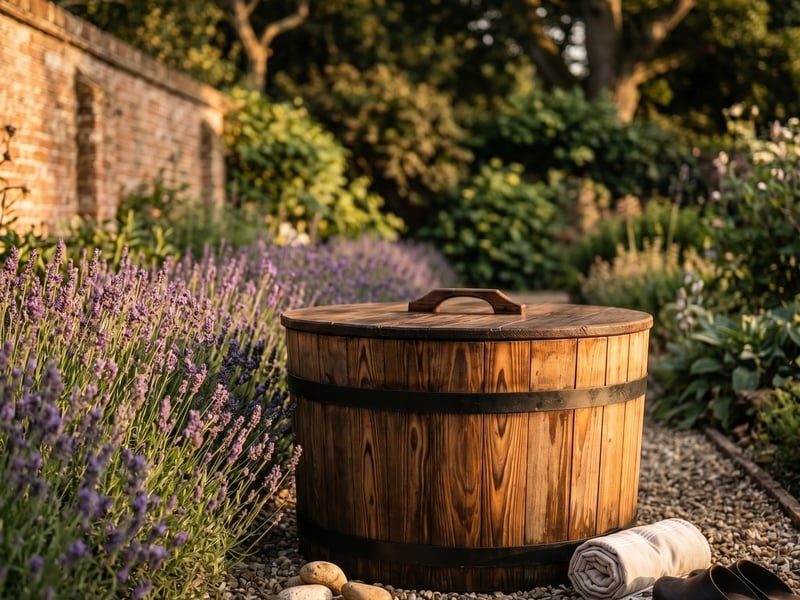
Every benefit above depends on actually getting in, week after week. That is the unglamorous truth of cold-water therapy. The people still plunging a year on are the ones who removed the friction: water at a known temperature, ready when they are. That is a routine question more than a willpower one — a steady 8°C on a dull Tuesday in March does more for you than a heroic 2°C on New Year's Day.
Matt's Pick for Consistent Daily Benefits
Best For: Anyone serious about plunging year-round — the water is always at your set temperature.
Why I Recommend It: The benefits come from consistency, and consistency comes from zero faff. It held a measured 3°C through a July heatwave in our yard, and it is the tub I use myself.
Price: £1,299
Frequently asked questions
What are the main benefits of ice baths?
Faster recovery, less soreness, and a strong mood and alertness lift. Better sleep is a common bonus. Fat-loss and immunity claims are overstated.
Do ice baths actually work?
For recovery and mood, yes — the evidence is reasonably good. For weight loss and immunity it is weak. Buy for the former, not the latter.
How long until you notice benefits?
The mood lift shows up almost immediately. Recovery effects appear as soon as you use it after hard sessions; give the habit two weeks before judging.
Are ice baths good for mental health?
Many people report a clear lift in mood, focus and resilience. The formal research is early but promising; the real-world reports are consistent.
Do ice baths burn fat?
Not meaningfully. Cold raises energy use a little while you rewarm, but an ice bath is not a weight-loss tool.
Are ice baths safe to do every day?
Short daily dips are fine for most healthy adults. Stay within 1–3 minutes, skip days when you feel run down, and see a GP first if you have heart or blood-pressure conditions.