Contrast Therapy: The Sauna and Ice Bath Routine
Written by Matt W on 11th Jun 2026.
In short: Contrast therapy means alternating heat and cold — typically 10–15 minutes in a sauna, then 1–3 minutes in an ice bath, repeated for two or three rounds and finishing on cold. The temperature swings get blood moving and leave you feeling refreshed and loose. Two to four sessions a week suits most people; a hot shower before the plunge is a simple no-sauna version.
Key takeaways
- ✓Contrast therapy = heat (sauna) then cold (ice bath), repeated.
- ✓A typical round: 10–15 minutes hot, 1–3 minutes cold; do 2–3 rounds.
- ✓Finish on cold to stay alert and stop the after-sweat; finish warm before bed.
- ✓No sauna? A hot shower or bath before the plunge gives the same basic cycle.
- ✓Two to four sessions a week is plenty — drink water, move steadily between stages.
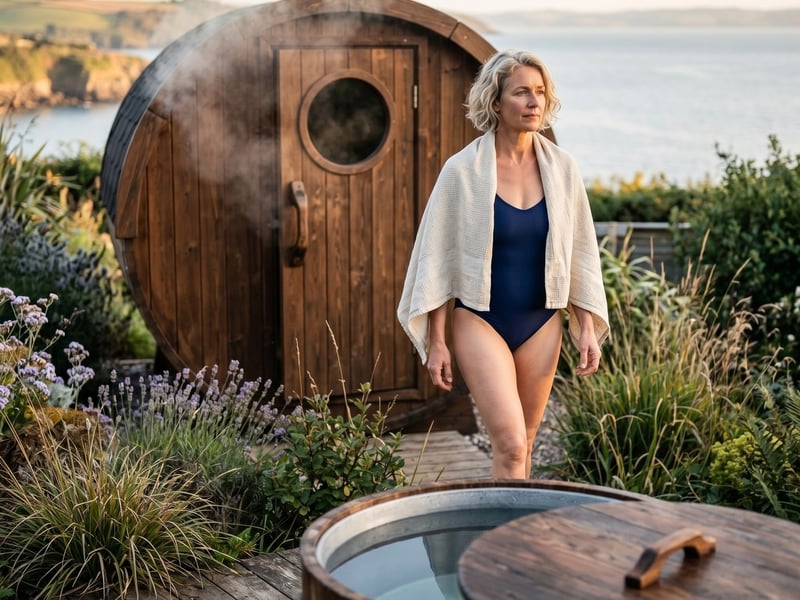
Heat then cold is one of the oldest recovery rituals there is — Nordic saunas with a lake, Roman baths with a frigidarium. The modern home version pairs a garden sauna with an ice bath, and it feels superb. Here is how to do it simply and safely, plus the budget version that needs no sauna at all.
What is contrast therapy?
Alternating deliberate heat and deliberate cold in one session, usually sauna then ice bath. Heat opens blood vessels, relaxes muscle and gets you sweating; cold clamps everything down and sharpens you up. Cycling between the two works the circulation like a pump and leaves most people loose, clear-headed and very relaxed. It is also, honestly, the most enjoyable way to use an ice bath — the cold is far easier to face when you are properly warm.
What is the best sauna and ice bath routine?
10–15 minutes hot, 1–3 minutes cold, repeated two or three times, finishing on cold. This is the starting pattern we suggest to customers building a home recovery corner:
- Warm up: 10–15 minutes in the sauna, until you are properly warm and sweating.
- Plunge: 1–3 minutes in the ice bath. Slow exhale in, calm breathing throughout.
- Repeat: two or three rounds. Walk, do not rush, between the two.
- Finish: end on cold, towel off, dress warm, and enjoy the next two hours.
Keep the cold short. The sauna stretches comfortably; the plunge does not need to. The dose rules are the same as a standalone ice bath — our guide on how cold and how long has the temperatures by experience level, and complete beginners should run the first month on cold only before adding rounds.
Should you finish on hot or cold?
Cold, for most people, most of the time. Ending cold leaves you alert and stops the twenty-minute after-sweat you get walking inside from a final sauna round. The exception is the evening session: if bed is an hour away, finishing warm helps you wind down instead of up. Try both across a week — it is a genuine preference, not a rule.
| Finish on | You feel | Best for |
|---|---|---|
| Cold | Alert, fresh, no sweat | Mornings, pre-work, most sessions |
| Heat | Loose, drowsy, warm | The last hour before bed |

How often should you do contrast therapy?
Two to four sessions a week, the same weekly cold dose as plain plunging. The cold drives most of the measurable effect, so the 11-minutes-of-cold-a-week guideline still applies — contrast just makes those minutes more pleasant. Athletes timing it around training should follow the same rule as any plunge: not straight after heavy lifting if muscle growth is the goal. The detail is in our athlete guide, and the honest evidence picture is in ice bath benefits.
No sauna? The budget contrast session
A hot shower or bath before your plunge gives you the same basic hot-then-cold cycle for nothing. Ten minutes as hot as you comfortably enjoy, then straight to the tub for one to two minutes. You lose the dry-heat sweat of a real sauna but keep the swing, which is most of the feeling. Plenty of our customers run this pattern for a year before adding the sauna — and the ice bath side is the part worth doing properly first, because cold needs to be reliable to be repeatable. A chiller-equipped tub means the cold half is always ready; the best ice baths guide ranks the options.
Matt's Tip: Time The Cold, Not The Heat
In contrast sessions people watch the sauna clock and wing the plunge. Do it the other way round. The sauna can run on feel — you will leave when you are ready — but the cold needs a timer, because after a sauna 90 seconds of 8°C feels like 30. The heat flatters you; the timer keeps the dose honest.
Staying safe between hot and cold
Move steadily between stages — the blood-pressure swing is the workout, and rushing it can leave you light-headed. Sit on the tub edge rather than leaping in hot. Drink water through the session; the sauna takes more out of you than the cold does. Skip contrast therapy, or clear it with your GP first, if you are pregnant or have a heart condition or blood-pressure problems — the swings are exactly what those conditions dislike. And as with any plunge: never alone while you are new, and out before hard shivering.
Building the home setup
A contrast corner needs surprisingly little: a heat source, a cold tub two or three steps away, somewhere non-slip to walk, and a hook for towels. The ice bath is the half we can sort — every tub at Cold Plunge Store ships free in mainland UK with a 2-year warranty, and the chillers hold the cold side at your set temperature so round two is as cold as round one. Gyms and studios building contrast suites for clients should start with the commercial buyer's guide — the hygiene and sizing rules change with footfall.
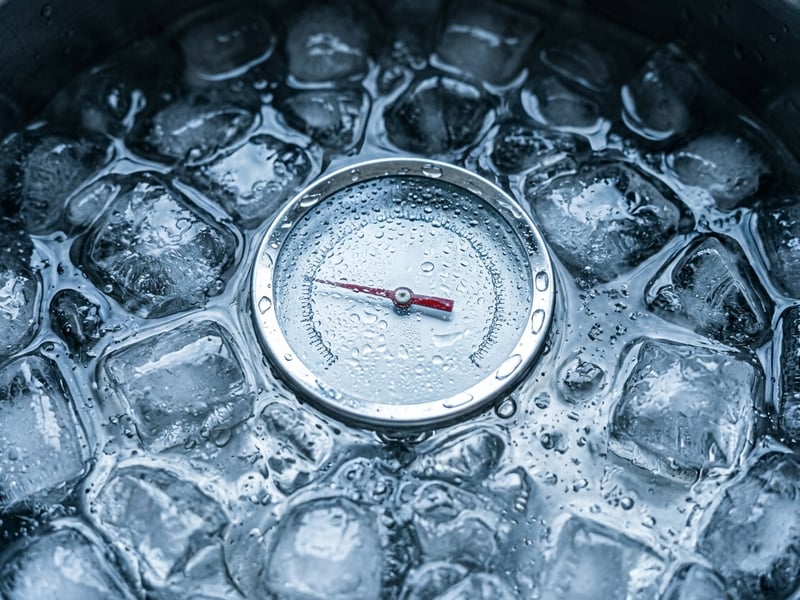
Shop the Floating Thermometer →
Matt's Pick for The Cold Half Of Contrast
Best For: Anyone pairing a sauna with a tub they already own — the plunge is at temperature before the sauna is warm.
Why I Recommend It: Contrast therapy fails when round two's water has drifted warm. The Recovery Pro holds any insulated tub at a set 3–10°C all session, runs at 44 dB beside the sauna, and its ozone keeps shared water clean.
Price: £899
Frequently asked questions
What is contrast therapy?
Alternating heat and cold — usually a sauna then an ice bath. The temperature swings get blood moving and leave you refreshed.
What is the best sauna and ice bath routine?
10–15 minutes hot, then 1–3 minutes cold, repeated two or three times. Always finish on cold, then warm up gently.
Should you end on hot or cold?
Most people finish on cold. It leaves you alert and stops the after-sweat; finish warm only if bed is soon.
How often should you do contrast therapy?
Two to four sessions a week suits most people. The cold drives the effect, so the usual weekly cold dose applies.
Do I need a sauna and an ice bath?
For the full version, yes — a heat source and a cold one. A hot shower before your plunge gives a simple version of the same effect.
How many rounds of sauna and cold should I do?
Two or three rounds is plenty. More rounds add fatigue faster than benefit, especially in your first month.