How Cold Should an Ice Bath Be (and How Long)?
Written by Matt W on 11th Jun 2026.
In short: For most people an ice bath of 10–15°C for one to three minutes is plenty. Beginners should start around 15°C for 60 seconds; experienced plungers settle at 3–8°C. The research points to roughly 11 minutes of total cold a week across two to four sessions. Colder and longer is not better — it just raises the risk while the benefit flattens.
Key takeaways
- ✓Temperature by level: beginners 12–15°C, intermediate 8–12°C, advanced 3–8°C.
- ✓Time: 1–3 minutes per session; start at 60 seconds.
- ✓Frequency: 2–4 sessions a week — about 11 minutes of cold in total.
- ✓Below about 10°C the extra benefit is small and the discomfort is not.
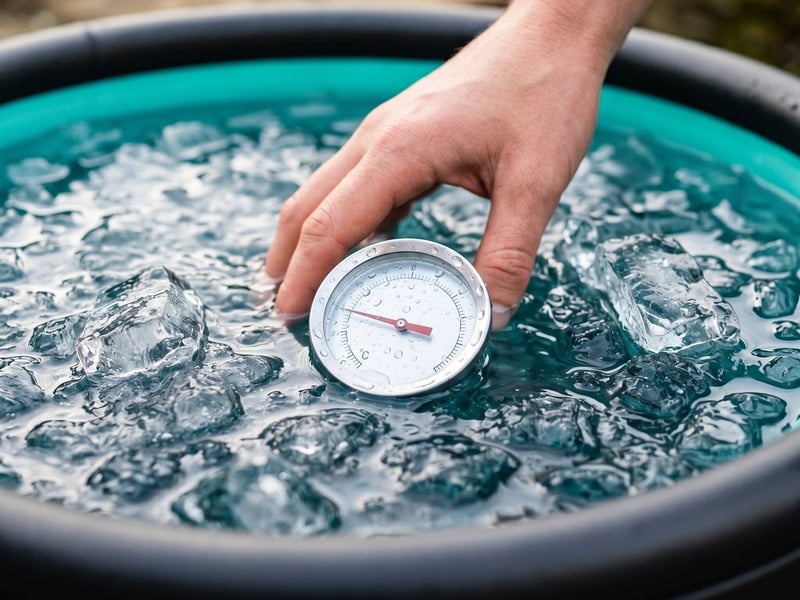
- ✓Measure the water. "Feels freezing" is routinely 11–12°C on a dial.
Shop the Floating Thermometer →
Two questions come up before every first plunge: how cold, and how long. The honest answer is that you need far less than the internet suggests. Nobody has to sit in near-freezing water for ten minutes to get the benefit. Here is the simple version, with the numbers we set up for our own customers.
How cold should an ice bath be?
Pick a temperature you can stay calm in, not the lowest number you can survive. The benefits of cold-water immersion show up well before the water gets brutal, and the studies behind them mostly used 10–15°C. As a working guide:
| Level | Temperature | How it feels |
|---|---|---|
| Beginner | 12–15°C | Brisk, manageable |
| Intermediate | 8–12°C | Properly cold |
| Advanced | 3–8°C | Sharp — short stays only |
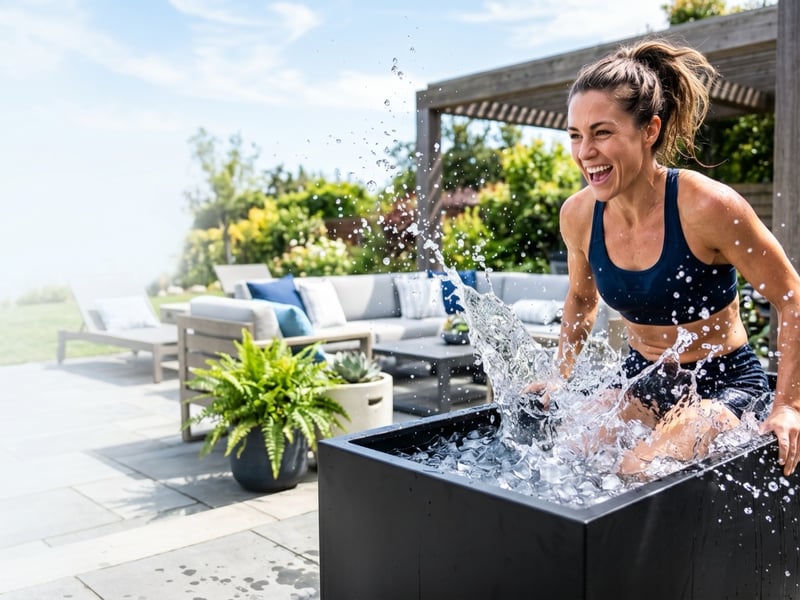
Below about 10°C the extra benefit is small while the discomfort and risk climb steeply. Most regular plungers we supply settle at 8–10°C and stay there for years. There is no prize for going colder.
How long should you stay in an ice bath?
One to three minutes covers it — start at 60 seconds. The cold-shock response peaks in the first 30 seconds; ride that out calmly and the rest of the session is surprisingly quiet. Add time slowly as the shock fades week by week. Past three minutes the returns flatten and the shivering debt grows: the colder the water, the shorter the stay. Light-headedness or hard shivering is the signal to get out, not a target to push through.
How often should you ice bath each week?
Two to four sessions a week works for most people — about 11 minutes of deliberate cold in total. That weekly figure is the most useful rule of thumb to come out of the research, and you can split it however you like: four three-minute dips, or six shorter ones. Daily plunging is fine for healthy adults who enjoy it, but it is not required, and rest days cost you nothing. If a structured month appeals, the 30-day challenge builds the routine dip by dip.
Why isn't colder better?
Because the response you are after switches on well above freezing. The noradrenaline release, the mood lift, the recovery effect — all are triggered comfortably at 10–12°C. What 2°C adds is mostly risk: a stronger gasp reflex, numb hands, a longer shivering rewarm. We logged one customer demo where 11°C water produced visible breath control within 40 seconds; at 4°C the same person spent the whole dip fighting the gasp. Train the response, not your pain tolerance. Our evidence guide covers which benefits the dose actually drives.
A simple four-week progression
- Week 1: 15°C, 1 minute, twice.
- Week 2: 12°C, 90 seconds, three times.
- Week 3: 8–10°C, 2 minutes, three times.
- Week 4: 5–8°C, 2–3 minutes, three to four times.
Each step is optional. Plenty of customers stop at week three and never go below 10°C — they get the full routine benefit anyway. The beginner's guide walks through the breathing and the safety basics in more detail.
Matt's Tip: Trust The Dial, Not Your Skin
Skin adapts within a fortnight, so the same 10°C feels warmer in week three than in week one. People respond by chasing colder water they do not need. Float a thermometer, log the number, and judge your progress by time and calm breathing — never by how cold it feels.
How do you keep the temperature steady?
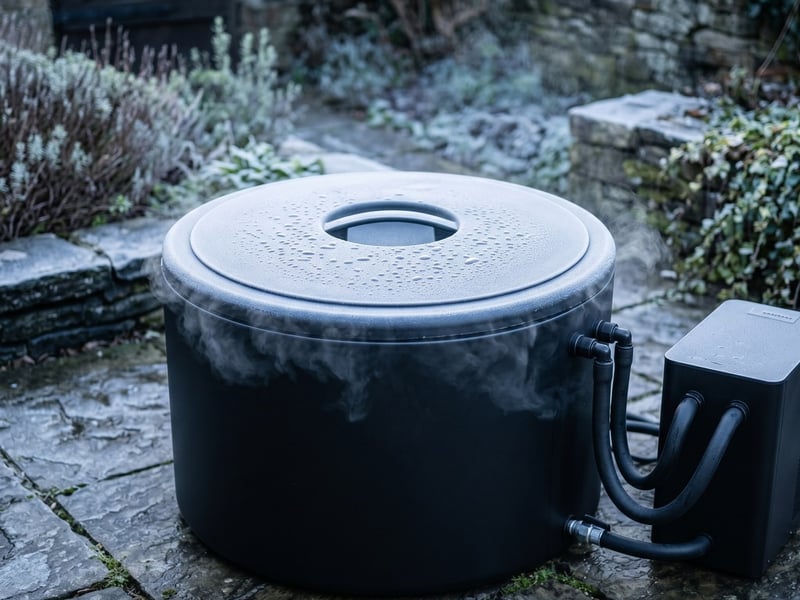
With ice the water drifts as it melts; a chiller holds whatever you set. A bagged-ice tub is coldest the moment you fill it and warms from there, so no two sessions match. A chiller recirculates the water at your chosen temperature day after day — the difference between guessing your dose and knowing it. We hold every chiller we sell to its published figures, and the chiller vs ice guide lays out the costs of each route. Either way, at Cold Plunge Store we tell customers the same thing: repeatable beats heroic.
Matt's Pick for Dialling In Your Dose
Best For: Anyone running on bagged ice or tap water who wants repeatable sessions.
Why I Recommend It: At £19 it is the cheapest upgrade we sell and the one I insist on. Accurate to half a degree, and it ends the 'felt about five degrees' guesswork that derails most beginners.
Price: £19
Frequently asked questions
How cold should an ice bath be?
For most people, 10–15°C is plenty. Beginners should start around 15°C; experienced plungers go to 3–8°C. Colder just shortens how long you can safely stay.
How long should you stay in an ice bath?
One to three minutes is enough for most benefits. Beginners can start at 60 seconds. There is little reason to stay beyond three minutes.
How often should you ice bath?
Two to four sessions a week suits most people. The research points to around 11 minutes of cold a week in total.
Is a colder ice bath more effective?
Not really. Below about 10°C the extra benefit is small while risk and discomfort rise. Consistency matters more than low numbers.
Is 15 degrees cold enough for an ice bath?
Yes — 15°C triggers the cold response, especially for beginners. Most of the research used water between 10 and 15°C.
How do I keep the temperature steady?
A chiller holds whatever you set automatically. With ice the water drifts as it melts, so a thermometer and top-ups are essential.