Ice Baths for Athletes and Runners: How to Use Them for Recovery
Written by Matt W on 11th Jun 2026.
In short: Athletes should use ice baths after hard endurance sessions, races and on rest days — 1–3 minutes at 8–12°C is the standard recovery dose. The one rule that matters: avoid cold water straight after heavy strength training if muscle growth is the goal, because it can blunt the adaptation. Leave a few hours, or plunge on other days.
Key takeaways
- ✓Recovery dose: 1–3 minutes at 8–12°C after hard endurance work.
- ✓Plunge after long runs, races, intervals and on rest days.
- ✓Avoid cold immediately after heavy lifting if you train for size or strength.
- ✓Two to four sessions a week, tied to your hardest sessions.
- ✓Same temperature every time beats occasionally heroic — repeatability is the win.
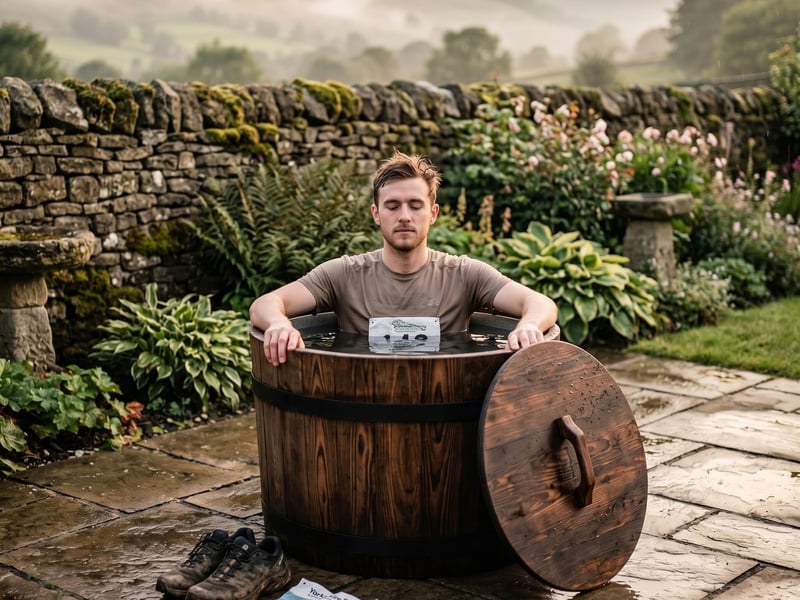
Ice baths have been part of elite sport for decades, from rugby changing rooms to marathon finish lines. Used well, they help you back up hard sessions. Used at the wrong moment, they quietly work against your training. The difference is timing, and it is simpler than the internet makes it look.
Do ice baths actually help athletes recover?
Yes — cold-water immersion after hard exercise reduces next-day soreness and the feeling of heavy legs. The research on delayed-onset muscle soreness is the most consistent in the whole cold-water field. In practice that means you can train properly again sooner, which over a season matters more than any single session. The mechanism is part circulation, part reduced inflammation, and part the simple analgesic effect of cold. It also helps you sleep after late races, when you are too wired to settle — a benefit our running customers mention as often as the recovery itself.
Should you ice bath before or after a workout?
After — cold before training blunts power output and reaction time. Muscles work best warm. The plunge belongs at the end of the session or later in the evening, never in the warm-up. The one exception is cooling for heat: a short pre-race dip in hot conditions can lower core temperature, but that is a specialist tactic, not a routine.
When should lifters avoid the ice bath?
Straight after heavy strength training, if your goal is muscle growth. Studies comparing lifters who plunged immediately after resistance sessions with those who recovered passively found smaller gains in size and strength in the cold group. The cold appears to dampen the signalling your muscles need to adapt. The fix costs nothing: leave at least a few hours, or keep the plunge for rest days and endurance sessions. For pure endurance work the trade-off is much smaller, which is why post-run plunges remain standard practice.
| Session | Plunge straight after? |
|---|---|
| Long run or race | Yes — aids recovery |
| Hard intervals / cardio | Yes |
| Heavy strength (for growth) | Wait a few hours, or use a rest day |
| Skills / technical session | Optional — low soreness anyway |
| Rest day | Yes — any time |
What temperature and time should athletes use?
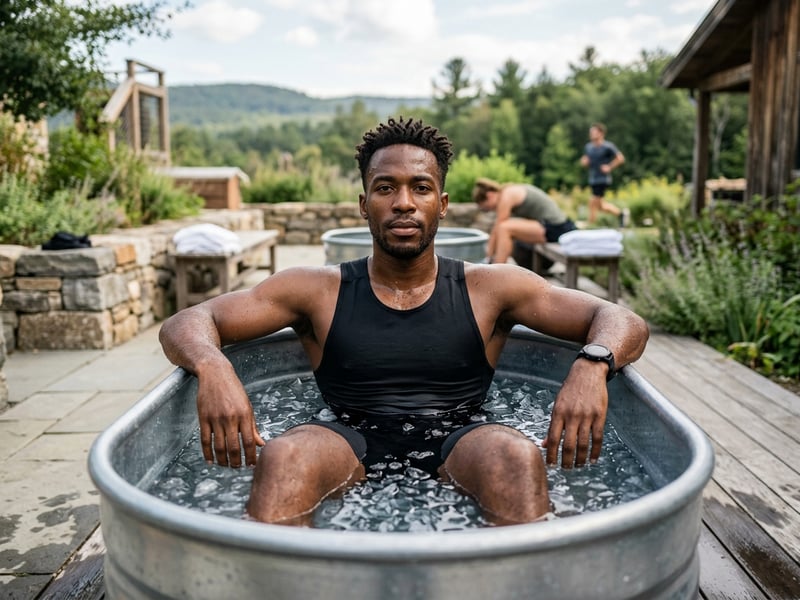
One to three minutes at 8–12°C covers the recovery benefit; colder and longer adds risk, not gains. That range matches the protocols used in the soreness studies and what we set up for the gyms we supply. Get in within an hour of finishing, breathe slowly, and get out before hard shivering. A floating thermometer turns "felt freezing" into a number you can repeat — when we check customer setups, water that "feels about five degrees" is routinely 11°C or 12°C. Doses by experience level are in our guide on how cold an ice bath should be.
A simple weekly plan for runners
Here is the pattern we suggest to club runners who buy from us, built around a typical training week:
- Tuesday intervals: 2 minutes at 10°C within the hour.
- Thursday tempo: optional 1–2 minutes if legs feel heavy.
- Sunday long run: 3 minutes at 8–10°C — the week's main plunge.
- Race week: plunge after the race, not the day before.
That is roughly eight minutes of cold a week, comfortably inside the effective dose. Pair it with heat on easy days if you enjoy it — the contrast therapy routine covers the sauna-plus-plunge pattern.
Matt's Tip: Plunge Before You Eat, Not After
Post-race, do the cold first and the recovery meal second. Getting in warm and fed makes the dip feel harder, and most athletes cut it short. Cold, shower, food, sofa — in that order — and the three minutes take care of themselves.
Making recovery repeatable at home
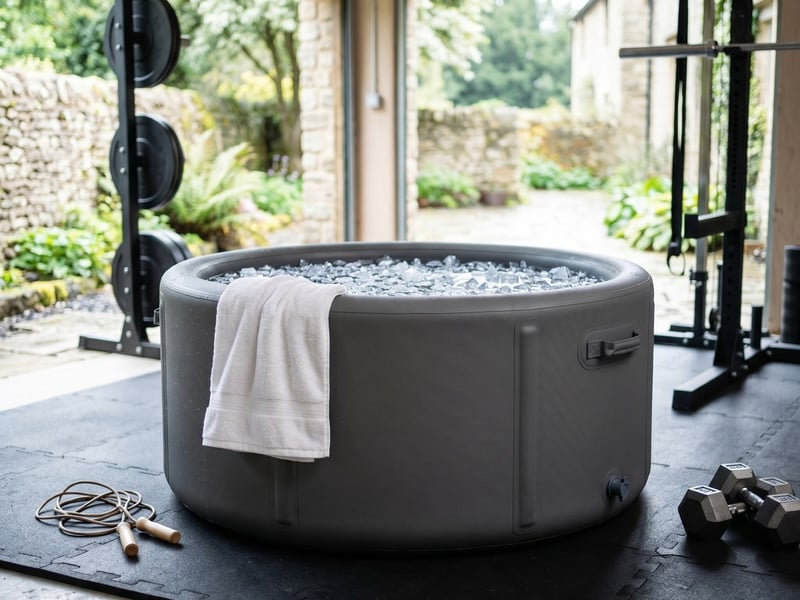
The athletes who actually benefit are the ones who plunge consistently, and consistency dies with faff. Hauling ice after a 20-miler is a commitment few keep past a month. A chilled tub waits at your set temperature, so the decision is already made when you limp home. The best ice baths guide ranks the setups built for daily use, and the portable option below packs into a boot for race weekends. We are Cold Plunge Store — UK stock, measured specs, and a 2-year warranty on every tub.
Matt's Pick for Serious Training Blocks
Best For: Athletes backing up hard sessions all year — the water is at 8°C before you are out of your trainers.
Why I Recommend It: Recovery only works if you do it every time. The Arctic One held a measured 3°C in our logger runs and hums along at 46 dB, so it lives happily outside the back door through a marathon build.
Price: £1,299
Frequently asked questions
Are ice baths good for athletes?
Yes, for recovery. Cold immersion after hard training eases soreness and helps you feel fresher for the next session. Most athletes use 1–3 minutes at 8–12°C.
Should you ice bath before or after a workout?
After. Cold before training reduces power output. Avoid plunging straight after heavy lifting if your goal is muscle growth.
Do ice baths reduce muscle growth?
They can, if used immediately after heavy resistance training. Leave a few hours or plunge on other days and the trade-off largely disappears.
How long should a runner stay in an ice bath?
One to three minutes at 8–12°C after a long run or race. There is no benefit in going colder or longer.
How often should athletes use an ice bath?
Two to four times a week, after your hardest sessions. A chiller makes that consistent without ice runs.
Are ice baths good after leg day?
Not immediately, if you lift for size. Wait a few hours so the growth signal lands first, or save the plunge for the next morning.