How to Keep Ice Bath Water Clean (UK Hard-Water Guide)
Written by Matt W on 11th Jun 2026.
In short: Keep ice bath water clean with three things: a filter to catch debris, a sanitiser such as ozone or a light chlorine dose, and a lid to keep dirt out. With filtration and ozone you can go two to four weeks between water changes; without them, every few days. In UK hard-water areas, run a filter and descale the chiller occasionally to stop limescale.
Key takeaways
- ✓The routine is simple: filter, sanitise, cover.
- ✓With a filter and ozone, change the water every 2–4 weeks; without, every few days.
- ✓Shower before you plunge — it removes the oils that cloud water at source.
- ✓Hard-water areas: filter plus an occasional chiller descale stops limescale damage.
- ✓A £79 insulated lid is the cheapest upgrade for cleaner water and lower bills.
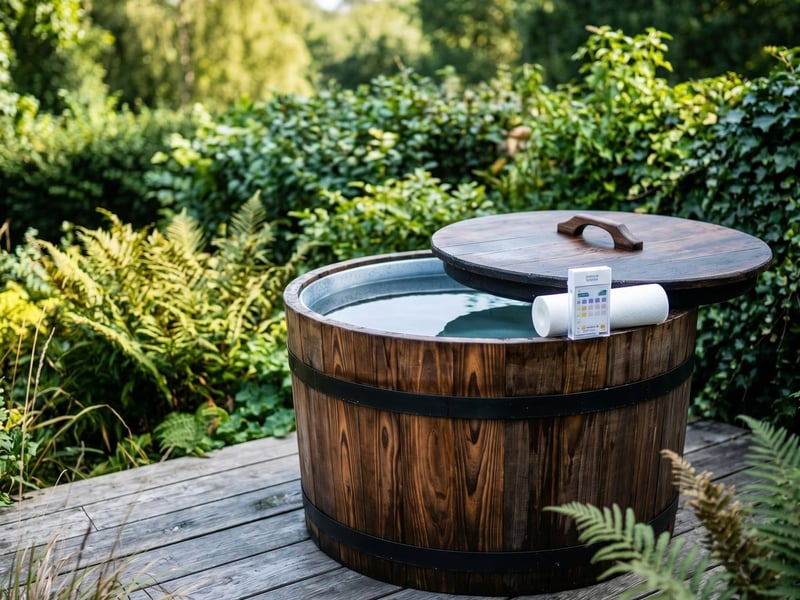
Water care is the part people worry about most before buying, and the part that turns out easiest. You are not running a swimming pool. A filter, a little sanitiser and a lid keep most tubs clear for weeks. Here is the exact routine we hand every customer, plus the hard-water habits that protect your chiller.
Why does ice bath water go cloudy?
Body oils, sweat and skin feed bacteria, and bacteria make water cloudy. Cold slows the process compared with a hot tub — bacteria multiply far faster at 38°C than at 8°C — but it does not stop it. Every plunge adds a little organic load, and whatever is on your feet goes in too. The fix has three parts: remove the particles (filter), neutralise what is left (sanitiser), and stop new dirt arriving (lid). Skip all three and you are draining the tub every few days.
How do you keep ice bath water clean?
1. Filter the water
A filter catches debris before it clouds the water. Many of our chillers have filtration built in and turn the whole tub over several times a day; if yours does not, a simple particle filter on the pump does the job. Rinse the cartridge under a tap weekly — a clogged filter makes the pump strain and the water stall.
2. Sanitise lightly
Ozone is the cleanest option: several of our chillers generate it automatically and it leaves no smell or residue. No ozone? A small dose of chlorine or hydrogen peroxide works, exactly as you would treat a paddling pool. Keep it light and let it disperse before you get in. You need a fraction of hot-tub dosing, because cold water is already on your side.
3. Cover it between sessions
An insulated lid keeps leaves, dust and insects out, and it slows the cold escaping so a chiller works less and ice lasts longer. At £79 it pays for itself twice — cleaner water and lower bills.
One habit beats all three: a quick rinse before you plunge. Most of what clouds a tub arrives on skin, and thirty seconds under a shower removes it at source.
How often should you change ice bath water?
| Setup | Change the water every |
|---|---|
| No filter, no sanitiser | Few days |
| Filter only | About 1 week |
| Filter + sanitiser | 2–3 weeks |
| Filter + ozone + lid + pre-rinse | 3–4 weeks |
Trust your senses over the schedule: cloudy or smelly water gets changed today, whatever the calendar says. When we set up the demo tub behind our unit with filtration, ozone and a lid, the water stayed clear for 26 days of regular use before we drained it on principle. The same tub run bare the month before needed changing twice a week.

Does UK hard water damage a chiller?
Over time limescale coats the chiller's heat-exchange surfaces and pump, making it work harder — the same fur you see in a kettle. Much of England sits on hard water, so this is worth five minutes. Three habits keep it in check. Run a filter so particles never reach the works. Descale occasionally with a suitable cleaner — two or three times a year in hard-water counties, less elsewhere. And wipe visible scale off fittings when you drain the tub. A descaled chiller cools faster and draws less power, so the habit pays you back on the meter. Our running-costs guide shows how much an efficient chiller saves.
Matt's Tip: Drain It Onto The Garden
Unsanitised or ozone-treated water can go straight on the lawn or borders — it is just cold water with a little of you in it. If you dose with chlorine, let it stand a day first. A drain-down is also the moment to rinse the liner and wipe the waterline ring before it sets.
A simple weekly checklist
- Rinse the filter cartridge under a tap.
- Check the water is clear and odour-free.
- Top up sanitiser if you dose manually.
- Wipe the waterline and check the lid seals flat.
- Every 2–4 weeks (filtered) or sooner: drain, wipe down, refill.
Ten minutes a week, all in. New plungers building the habit alongside the 30-day challenge can fold this into any rest day.
The easy route: let the chiller do it
A chiller with built-in ozone and filtration does most of this list automatically — the water circulates, the ozone sanitises, and you are left with a weekly filter rinse. It is how we run our own tubs at Cold Plunge Store, and it is the difference between water care as a chore and water care as a glance. If you are choosing kit from scratch, the best ice baths guide flags which setups include it.
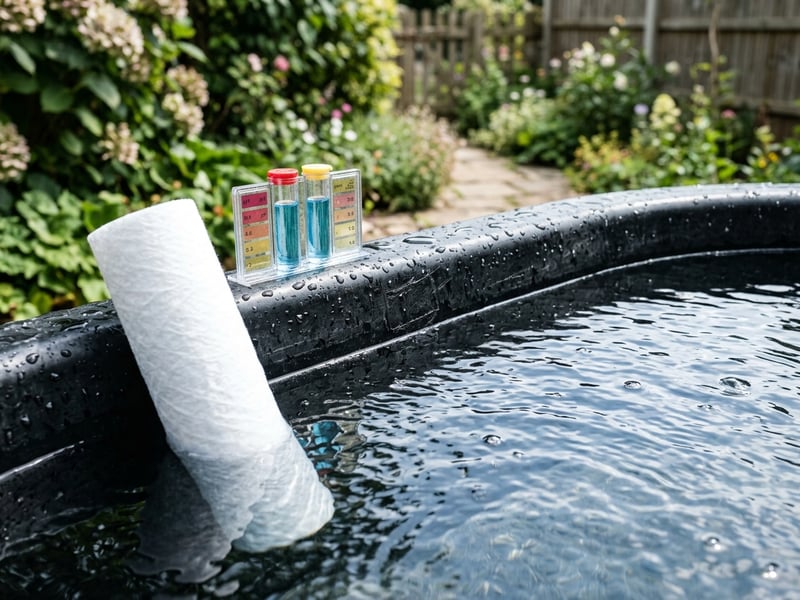
Shop lids, filters and water care →
Matt's Pick for Hands-Off Water Care
Best For: Anyone who wants clear water for weeks without daily dosing and testing.
Why I Recommend It: Its built-in ozone and filtration did the heavy lifting in our 26-day clear-water run. Cooling, circulation and sanitising in one 44 dB box — water care becomes a weekly filter rinse.
Price: £899
Frequently asked questions
How often should you change ice bath water?
With a filter and ozone, every two to four weeks. Without any filtration, every few days. A lid and a pre-plunge rinse stretch the gap.
How do you keep ice bath water clean?
Three things: a filter, a sanitiser such as ozone, and a lid. Shower before you get in to cut the load at source.
Why does my ice bath go cloudy?
Body oils and skin combined with too little filtration. A filter plus ozone and a weekly cartridge rinse fixes most cases.
Does hard water damage an ice bath chiller?
Limescale can build on the chiller's parts in hard-water areas. A filter and an occasional descale protect it, like caring for a kettle.
Can I use chlorine in an ice bath?
Yes, in small amounts, like a paddling pool. Ozone or a low chlorine or hydrogen-peroxide dose all work; keep it light and let it disperse first.
Should I shower before an ice bath?
Yes — a 30-second rinse removes most of the oils that cloud water. It does more for clarity than any chemical you can add.